
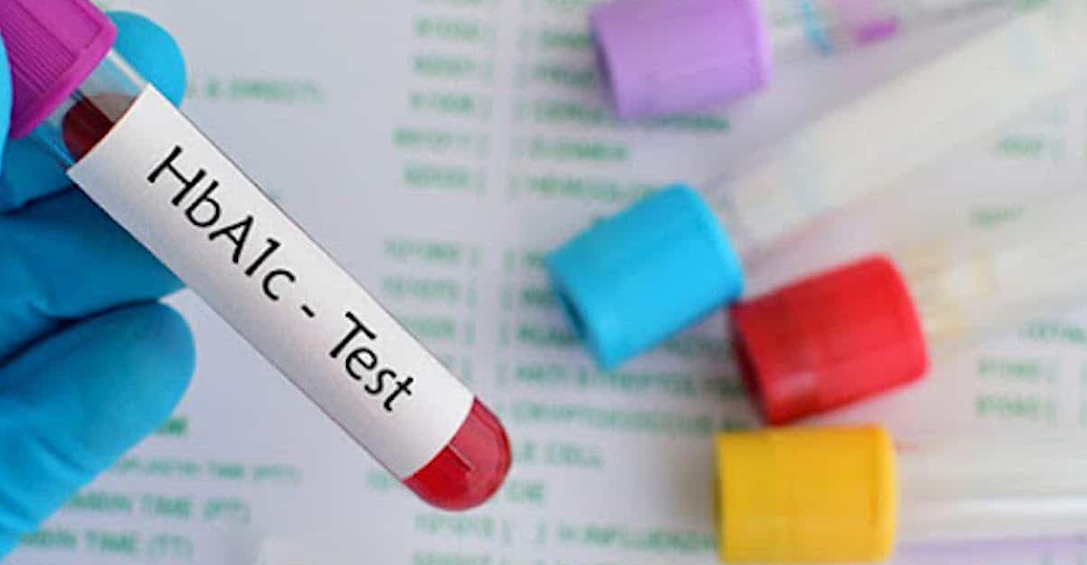
The Importance of Blood Sugar Regulation in Hypoglycemia
Understanding the significance of blood sugar regulation is paramount, especially when it comes to hypoglycemia. This blog delves into the importance of maintaining balanced blood glucose levels, shedding light on why effective regulation is crucial for overall health.
What is Hypoglycemia?
Hypoglycemia is a condition characterized by abnormally low blood sugar levels, often below 70 mg/dL. It can lead to various symptoms and, if left untreated, can be serious.
Why is Blood Sugar Regulation Important?
Blood sugar regulation is crucial for maintaining energy levels in the body. Properly managed blood sugar helps support overall health and prevents complications associated with imbalances.
How Does the Body Regulate Blood Sugar?
The body maintains blood sugar levels through a complex interplay of hormones, primarily insulin and glucagon. Insulin lowers blood sugar, while glucagon raises it.
What Causes Hypoglycemia?
Hypoglycemia can result from various factors, including excessive insulin, certain medications, prolonged fasting, or medical conditions affecting glucose metabolism.
What Are the Symptoms of Hypoglycemia?
Symptoms may include shakiness, sweating, irritability, confusion, and in severe cases, loss of consciousness. Prompt recognition and treatment are essential.
How is Hypoglycemia Diagnosed?
Diagnosis involves blood tests to measure glucose levels during symptomatic episodes. Continuous glucose monitoring may also be used for chronic cases.
Who is at Risk for Hypoglycemia?
People with diabetes, particularly those using insulin, are at higher risk. However, it can occur in individuals without diabetes due to various reasons.
How Can Hypoglycemia be Prevented?
Regular monitoring of blood sugar levels, balanced meals, and timely adjustments of medications can help prevent hypoglycemia. Consultation with healthcare professionals is essential.
What Are the Long-Term Consequences of Untreated Hypoglycemia?
Untreated hypoglycemia can lead to complications such as seizures, unconsciousness, and, in extreme cases, neurological damage. It's crucial to address low blood sugar promptly.
What Emergency Measures Should Be Taken During Hypoglycemic Episodes?
Consuming fast-acting carbohydrates, like glucose tablets or fruit juice, can quickly raise blood sugar levels. If symptoms persist, seeking medical attention is imperative.
In conclusion, understanding the importance of blood sugar regulation in the context of hypoglycemia is paramount for maintaining overall health. Properly managed blood sugar levels play a crucial role in sustaining energy levels and preventing potential complications associated with imbalances. Whether you are managing diabetes or facing hypoglycemia for other reasons, awareness of symptoms, regular monitoring, and timely intervention are key.
This FAQ has touched upon the definition and causes of hypoglycemia, the significance of blood sugar regulation, symptoms, risk factors, diagnosis, prevention strategies, and emergency measures. It is essential to recognize the individuality of each case and consult healthcare professionals for tailored advice.
For expert guidance on managing hypoglycemia and maintaining optimal blood sugar levels, schedule a consultation with Dr. Asha Dongre, a trusted General Physician in Panvel, Navi Mumbai. Take proactive steps towards your health — book an appointment today.